
Make that Call – Part Two

In part one I encouraged you to make that call but before you do it’s time to do a bit of homework to know where to go to locate records. No matter what you are looking for it is often best to start with the closest location where your ancestor or character lived because the types of records may overlap at each location but may be for different for histories about individuals and families.
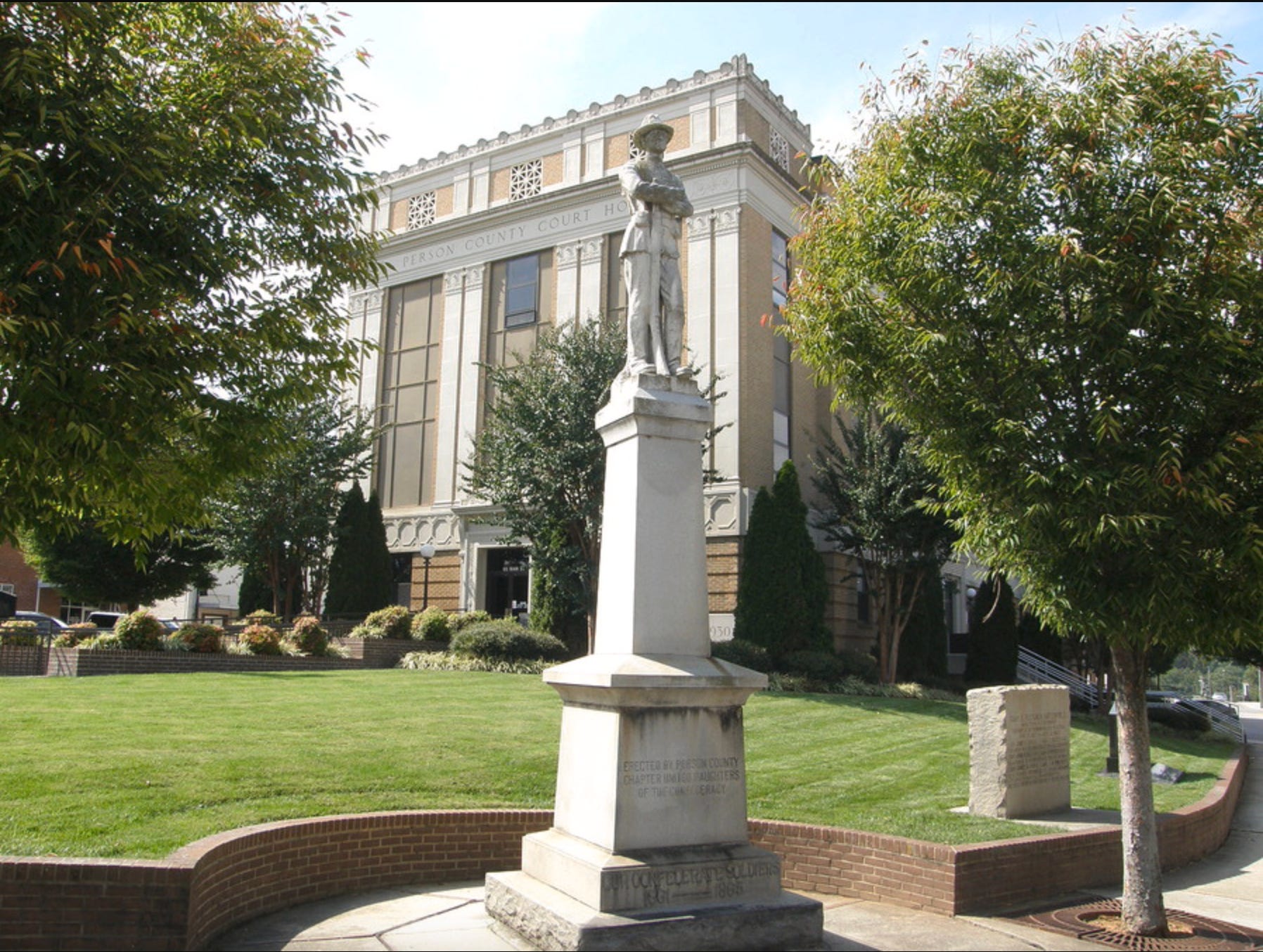
Town Clerks, Historical Societies and Local Libraries
Town Clerk Offices
To get you started town and county clerks have a plethora of records, sort of…. I say that with tongue in cheek. Historical records may be sent to larger repositories over time. How do you figure that out without spending a lot of time? Call the town clerk, tell them what record you are looking for. In my experience, even when someone cannot directly help me, they almost always point me somewhere else. They know their field. They know who has what. What’s held varies by state and town, but here’s a general idea:
Vital Records – births, death, and marriage records
The records available often go back to when the town started keeping them, sometimes 1600s–1700s in older New England towns.
Land & Property Records
Some towns hold land records, deeds, and mortgages (though in many states this is handled at the county level.
Property tax assessments and valuations.
Town Governance Records
Town meeting minutes - a key source in New England towns, often dating back centuries
Selectmen’s/board records Ordinances, bylaws, and local legislation
Military & Historical
Some older town clerk offices hold military discharge records (especially in states requiring discharge papers to be filed locally).
Cemetery & Burial
Burial permits and sometimes cemetery records, if the town owns/manages the cemetery
Historical Societies
Historical societies typically hold a wide range of materials documenting local, regional, or thematic history. Of course, each one varies but here’s a general overview of what you’ll often find:
Documents & Paper Records
Some of the documents they may have include vital records, church, property records, Wills, probate and estate files, newspapers, business and organizational files, and perhaps military files. Additionally, they may have photographs, maps, and architectural drawings as well as cemetery records, city directories and phone books.
Vertical Files
These may not yet be digitized - personal papers and family histories donated by local residents regarding their families.
Artifacts & Objects
Published & Reference Materials including local history books and pamphlets, Yearbooks, Oral history recordings and transcripts
Local Libraries
Local libraries, especially ones with a “local history” or “genealogy” room/collections often function as an informal archive for the community, complementing what’s at the town clerk’s office or historical society. Here’s what you’ll typically find:
Local History Collections
These collections can be similar to what is held at Historical Societies, but the collection will be different and worth checking. They can include local history books, yearbooks, city/town directories, maps and atlases, and photographs.
Newspapers
Newspapers are not all online. Sometimes I’m not able to find newspaper articles through my online newspaper subscriptions. I always contact a local or county library as they may have a genealogical room. I have never been disappointed! Librarians are wonderful at getting back to me after they have researched the article I am trying to find. They email me with the actual article and the citation for it.
Genealogical Resources
These include cemetery records/transcriptions, family histories and genealogies donated by local families or researchers, vital record transcriptions or indexes. Access to genealogy databases such as Ancestry Library Edition, Heritage Quest, FamilySearch, etc. These are often free in the library even if they are normally a subscription.
Find A Grave Volunteers and Cemetery Staff
Find A Grave
In my last article I mentioned Find A Grave. It is worth mentioning again. Find A Grave is an all-volunteer platform. You will find incredibly kind people who are willing to share their historical findings or go take photos of grave markers that are hard to read from a previous photographed marker. Maybe other related individuals are buried in the same cemetery but there is no photo of their grave marker. Oftentimes those volunteers are managing their family member’s grave sites and have additional historical documentation which may help you in your search.
Cemetery Office Staff
Cemetery Staff can be quite helpful. At one cemetery, the staff allowed me to photograph all of the material recorded for my family member’s cemetery plot. You can ask a member of the staff to check to see if there is a grave marker for someone buried there and if they mind taking a photo of the marker for you.
There are many family cemeteries that don’t have offices. For those it is best to consult Historical Societies, Town or County Clerks and Libraries. There may be a designated person who handles the surveying of those cemeteries.
State Archives and Libraries
Archivists are trained professionals who have dedicated careers to the preservation and accessibility of historical records. Accessibility. That word is built into their professional mission. The Society of American Archivists’ own code of ethics emphasizes providing the broadest possible access to records. When you contact an archive, you are not an inconvenience, you are the reason the archive exists.
Each state runs its own archives and libraries, so specifics vary, but here’s the general pattern:
State Archives
These typically hold the official, permanent records of state and local government:
Vital records -Town clerks may send their records to the state archives.
Land and property records - original land grants, deeds, surveys, homestead records
Court records - historical court case files, probate records, naturalization records
Legislative records - bills, session laws, committee files, governors’ papers
Military records - state militia and National Guard service records, veteran discharge papers
Census records - sometimes state censuses (separate from federal ones)
Maps and surveys - historical state and county maps
Photographs and audiovisual material - official state photo collections, recordings
Agency records - records from state departments (education, corrections, health, etc.) once they’re no longer needed for daily operations
Tax and voter records- historical tax rolls, voter registration lists
State Libraries
These tend to focus more on published materials and research collections, though there’s overlap with archives in many states:
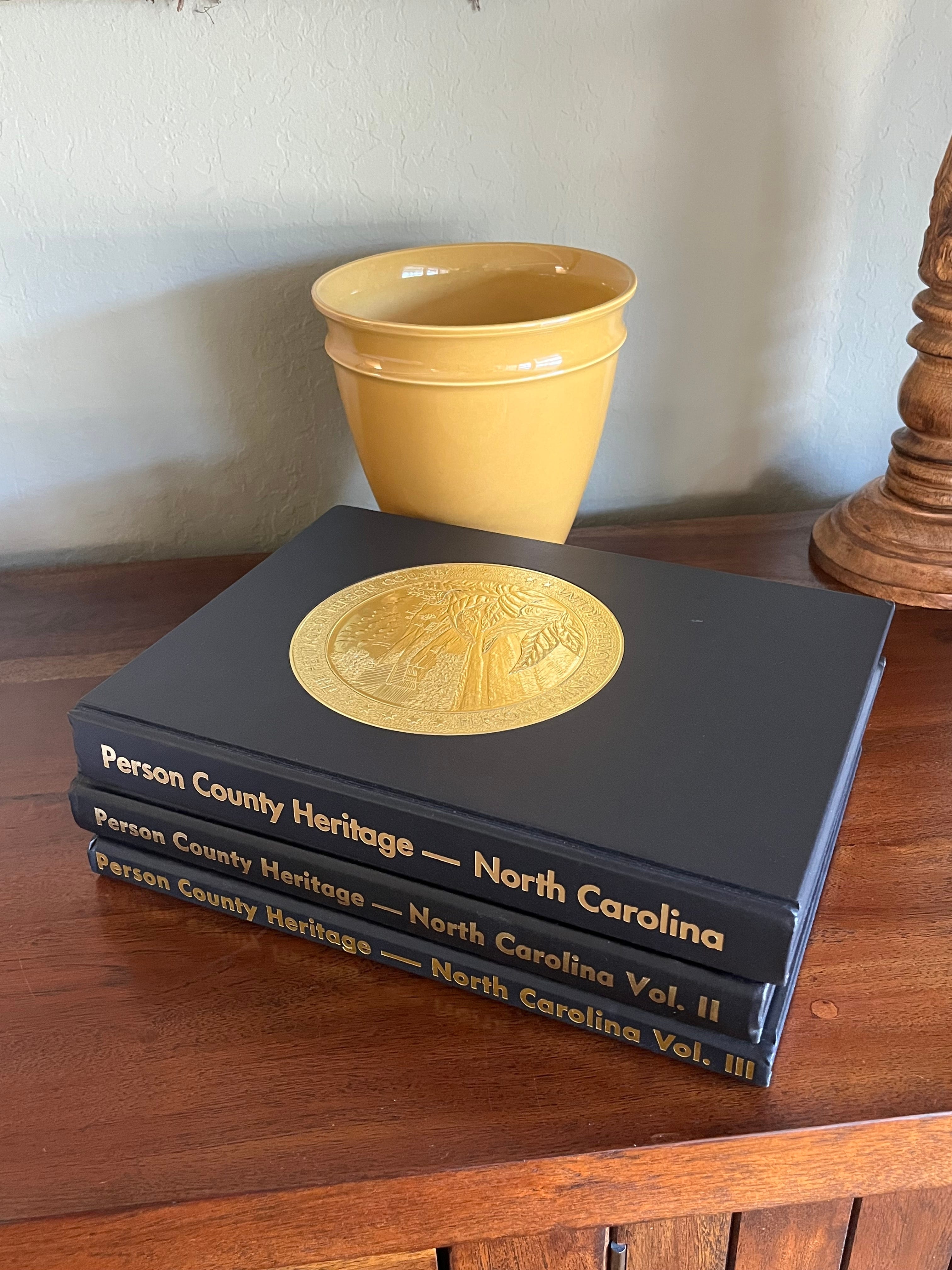
Genealogy collections- published family histories, local histories, genealogical indexes
Newspapers - historical newspaper collections
Government documents - federal and state documents depository materials
Manuscript collections - personal papers, diaries
Maps - historical and reference maps
Books and periodicals
Family Bibles
Things to Keep in Mind Town Clerks and Libraries
New England towns (especially MA, CT, NH, VT, RI, ME) tend to have the deepest historical town clerk archives, sometimes dating to colonial times.
In many other parts of the US, vital records get centralized at the county or state level instead, so the town clerk’s role is narrower.
Older records are sometimes transferred to state archives or historical societies for preservation, so don’t assume everything stays at the clerk’s office forever.
Access rules vary. Some vital records (especially recent ones) may be restricted to the person themselves, immediate family, or require proof of relationship, due to privacy/identity-theft concerns.
State and local Librarians often know where records have moved if the library doesn’t have what you need. They can point you to the historical society, town clerk, or county archive.
In my experience in reaching out to these remarkable people, I have never once been made to feel like a nuisance. More often, I’ve been blown away by their generosity. People have spent their own time tracking down records they weren’t sure still existed. They’ve mailed photocopies they didn’t have to make. They’ve connected me to colleagues in other counties, other states, even other countries. They’ve shared stories and context that transformed a bare set of dates into a living, breathing human life.
In Part Three, we’ll get practical. You will learn how to write an effective inquiry, what information to include, how to follow up graciously, and how to build lasting relationships with the repositories and volunteers who can become your greatest research allies.