
Make that Call Part Three - Making the Ask
How to Reach Out, Follow Up, and Build Lasting Research Relationships

In part one I encouraged you to make that call. Afterall, whether you are calling a local historical society, a town clerk or the state library those behind the desk are waiting to hear from you. In part two we explored the types of records that can be found in a variety of repositories in order to build your confidence for that ask. The list is just the beginning but gives you the structure of who to ask for the records you are looking to find.
Now in part three, we’ll get practical. We will look at how to write an effective inquiry, what information to include, how to follow up kindly, and how to build lasting relationships with the repositories and volunteers.
1. Before Send That Email or Make that Call, Do Your Homework
Preparation shows respect for the recipient’s time, gets you a better, faster answer, and establishes you as a serious researcher.
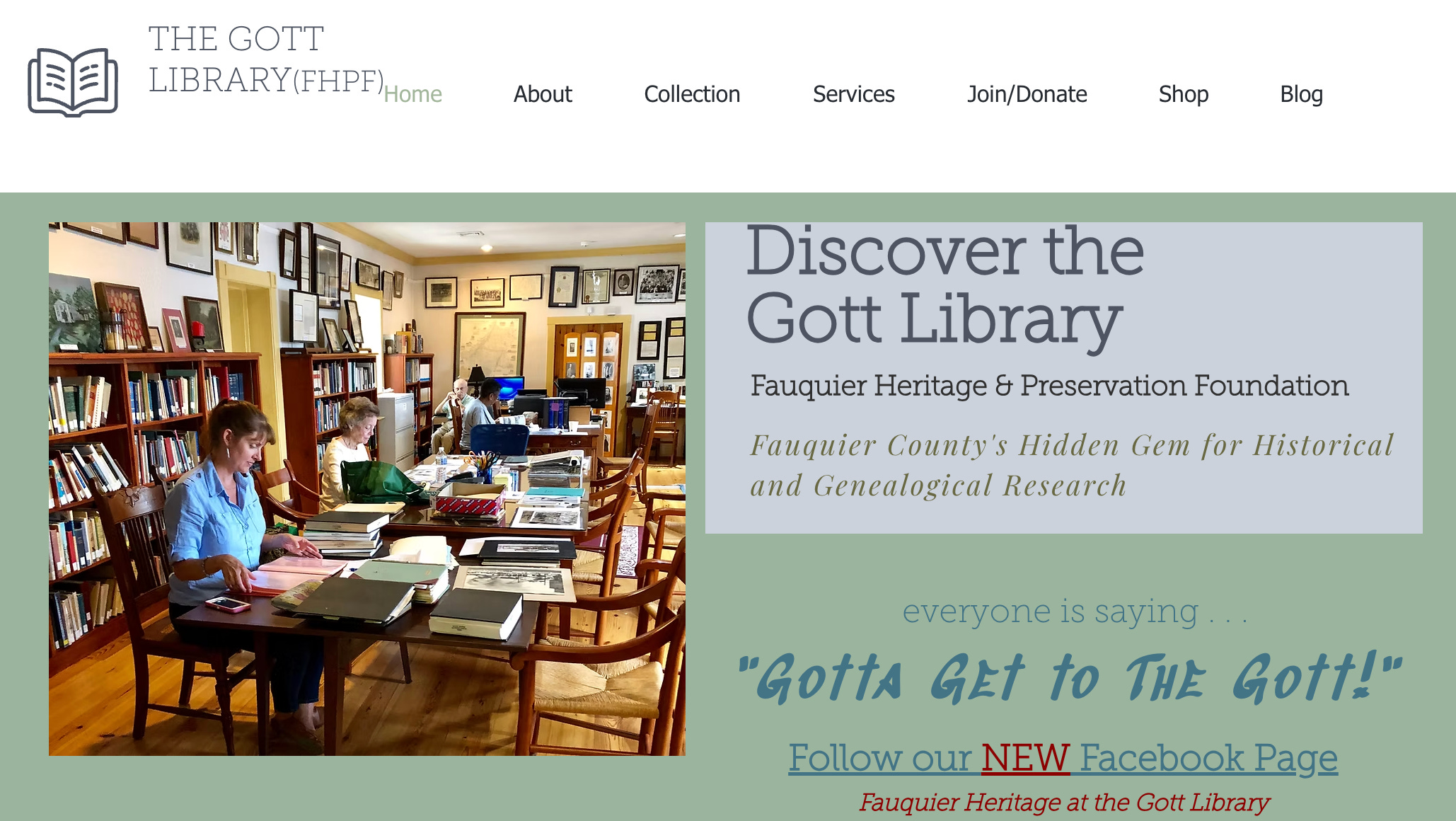
Researching before contacting a repository will help you to be more efficient. Check the repository website, finding aids, or catalog first. The website may also contain a listing of any fees, turnaround times, or access policies posted publicly.
2. Know what you’re looking for and what you have before you ask
Narrow your question as specifically as possible. Have your names, dates, places, and relationships organized and ready. Use a research log to keep track of the research you have already completed. The researcher on the other end may ask you more questions so keep your log handy.
3. The Effective Inquiry
Be clear, be concise, and courteous. If inquiring by email, make your subject line as concise as possible. Include surnames, location, and the time period in the subject line.
A. The Opening
Give a brief, warm introduction as to who you are and why you’re writing. Two to three sentences are usually enough.
B. The Request
State exactly what you are looking for and make one primary request per inquiry when possible. Provide the essential details: full names, approximate dates, location, and the record type you are requesting.
Include alternate spellings of surnames.
Briefly note what you’ve already searched, if needed.
Be specific about what you need whether it is a record lookup, a photocopy, or a referral if they don’t have the record.
Ask about fees if it wasn’t clear on the website.
Inquire about reproduction policies and citation formats. You never know when you might want to turn your new found information into an article.
C. The Closing
Keep your closing warm but profeesional and express genuine gratitude for their help in advance. Include your full contact information including your name, email, and phone number if appropriate.
D. Following Up Graciously
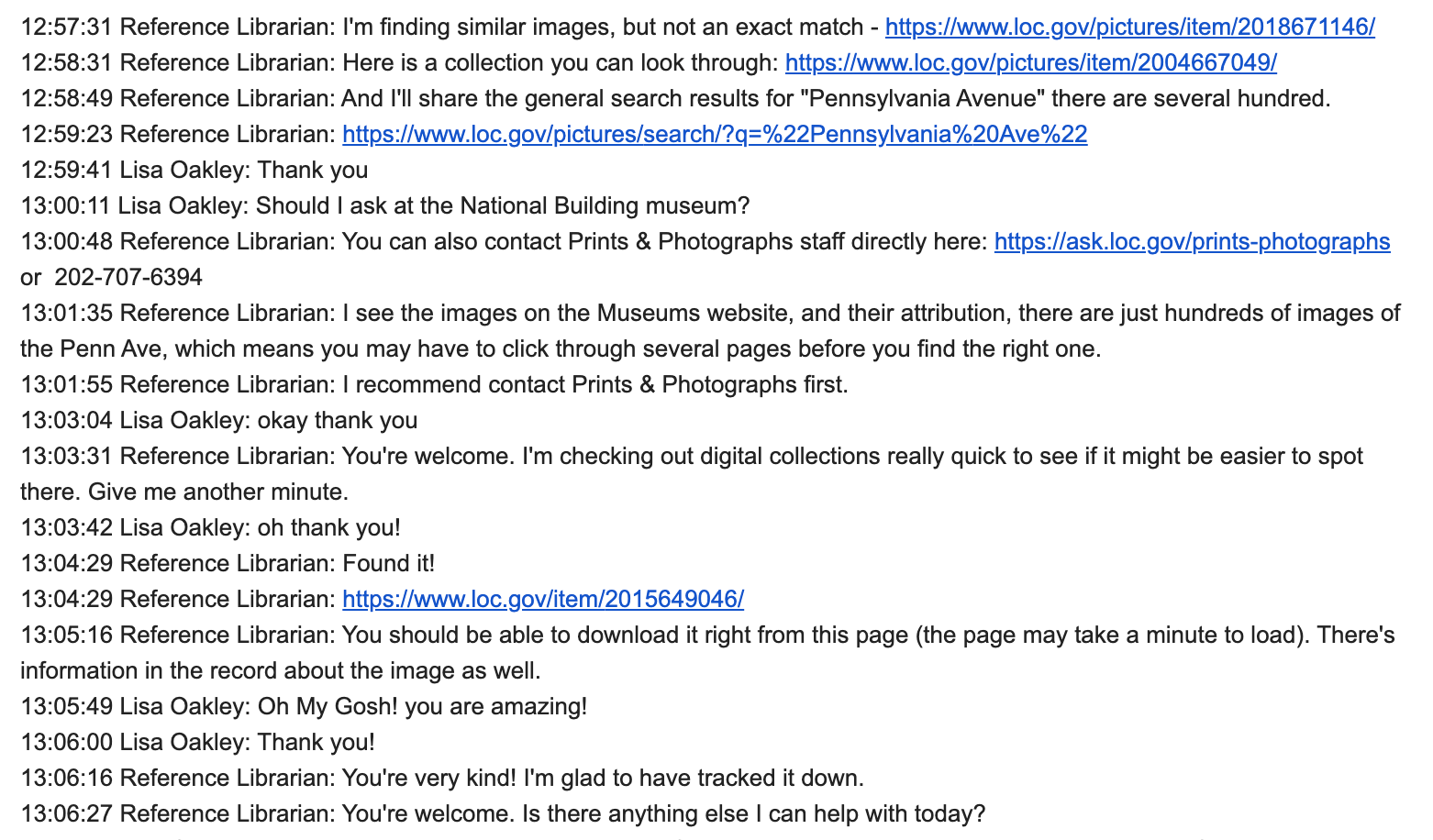
Always acknowledge when someone has helped you, even partially. A kind thank you note sets you apart and opens future doors for help.
E. What to do if you never hear back
You never know what is going on behind the scenes at the repository. Historical societies rely on volunteers who may not be in the day you send an email. Write a followup email asking if they received your inquiry. If you still don’t hear back try a different contact method such as calling instead of sending an email or vice versa, or try an online chat if available. If need be you can try contacting a different staff member or department.
4. Building Lasting Research Relationships
Relationships are your most underrated genealogical resource particularly if there is a repository you will contact repeatedly. Consider supporting the organizations that supported you.
Inquire about membership especially with the smaller organizations such as historical societies and genealogical societies. It opens doors and supports their work.
Inquire about digitization projects or online finding aids.
Mention their help in published work, blog posts, or family histories with their permission.
Volunteer your own skills in return. It is rewarding.
The Genealogy community is one built on reciprocity. Consider becoming a resource by contributing to Find A Grave, donating copies of family documents to relevant repositories, and sharing what you find with others who are researching the same lines. You are building a network, not just collecting records.
Who will you reach out to first?
Enjoy the journey!