
A Rose by a Different Name

Was it Rosabell shortened to Belle, Rosa, Rose, or Roz?
Was it Rosalyn or Rosalinda shortened to Linda or Rosa?
Or was it Roseann—or even Roxanne—simply called Rose?
As genealogists, we are trained to focus on exact names to ensure we have identified the correct individual. But historical records rarely cooperate with modern expectations of consistency. One woman may appear in five records under five different names and still be the same person.
To the untrained eye, these look like separate individuals. To a genealogist, they are clues—requiring correlation, not assumptions.
Names Were Fluid
In the 18th and 19th centuries, names were fluid. Spelling was phonetic, census takers wrote what they heard, and middle names were often used interchangeably—especially when children were named after parents or grandparents.
Nicknames often helped distinguish individuals within families where the same names were used repeatedly. As an example “Rosalinda” in a baptism may appear as “Linda” in a census and “Rosa” in a land deed.
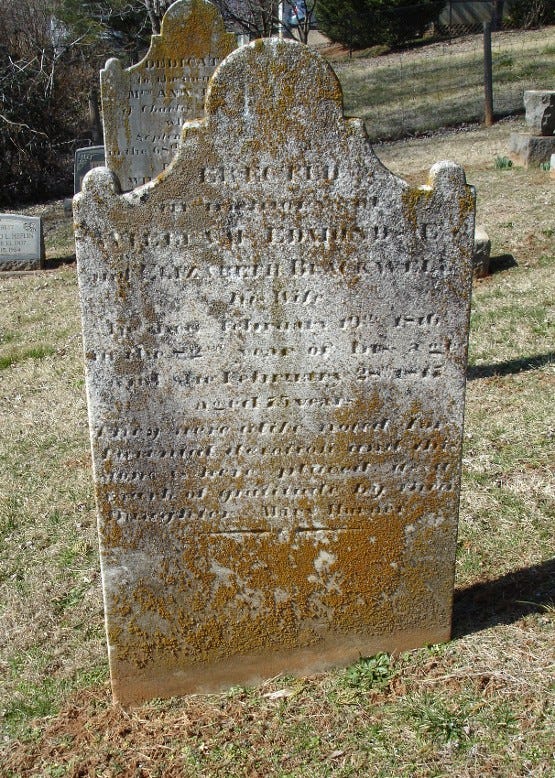
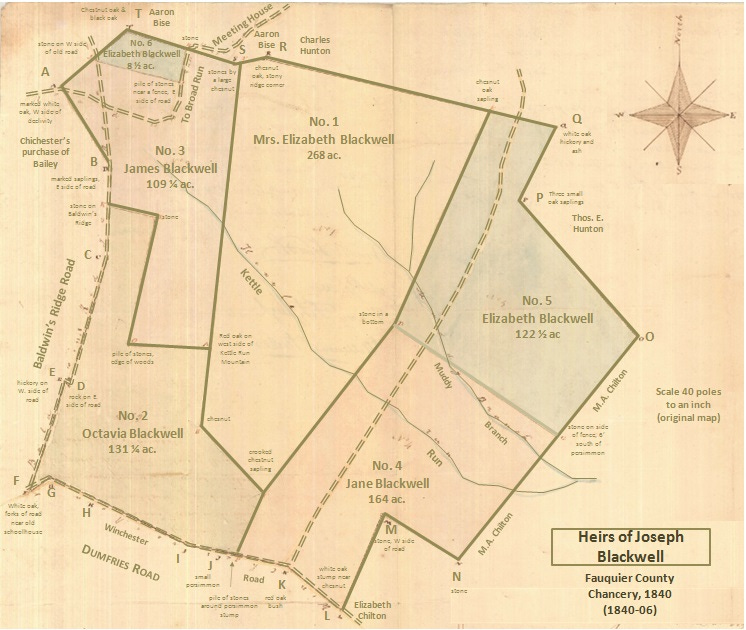
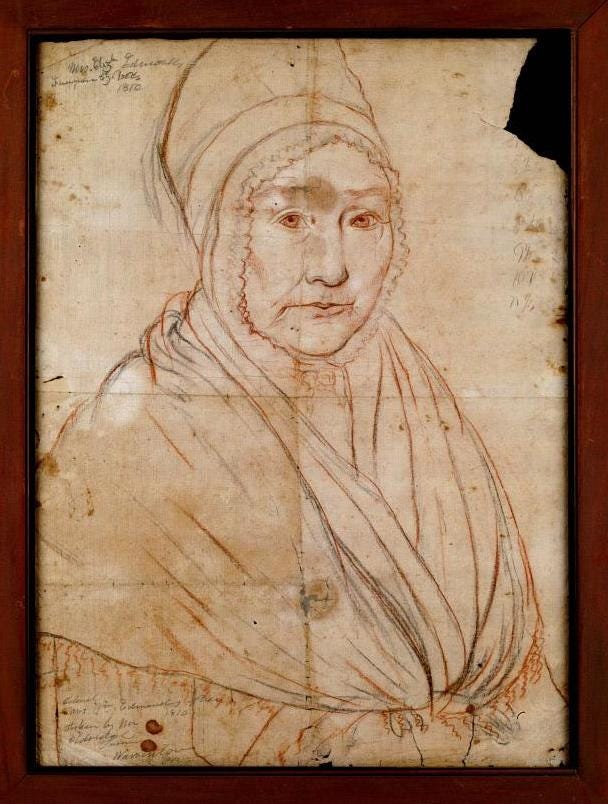
Another example is a man named Samuel Blackwell in the 1700s named his children Samuel, John, William, and Elizabeth. Those sons then gave their own children the same names. With multiple cousins born in the same period sharing identical names, differentiation became difficult. My ancestor Elizabeth Blackwell Edmonds was born in 1741, and cousins of her same name were also born in the 1740’s. In such cases, separating individuals requires deeper analysis beyond the name itself.
Phonetic and Cultural Transformations
Immigrant names often shifted within a single generation:
Roseann → Roxanne
Catarina → Catherine → Kate
Johannes → John → Hans
Language, literacy, and local pronunciation shaped identity on paper.
Middle Names as Everyday Names
Middle names were frequently used to distinguish father from son. In my own family, Clinton Andrew Seitz had a son of the same name. The son went by Andrew—or Drew—to differentiate him from his father.
To determine a person’s full legal name, consult:
Baptismal records
Marriage records
Children’s birth records
Obituaries (keeping in mind nicknames are common)
Signatures, when available
Often the key to identity is not the name, but the consistency of spouse, children, neighbors, occupation, or land.
Women and Name Variability
Women are particularly vulnerable to name confusion and records were often scarce because:
They changed surnames at marriage.
They were often recorded under a husband’s name (“Mrs. Samuel Colley”).
Their given names were shortened in daily use.
Clerks sometimes guessed or simplified names.
This becomes critical when proving relationships. A woman recorded as “Rosa Colley” in one deed and “Marinda Colley” in another should not be dismissed without analysis. Instead, examine:
Husband’s consistent identity
Land descriptions
Witness patterns
Dower releases
How to Approach Name Variations
When encountering a variation:
Create a comprehensive variation list.
Search using wildcards and flexible spelling.
Track associates (the FAN method—Friends, Associates, Neighbors).
Compare ages, locations, and family groupings.
Look for patterns across multiple documents.
Never rely on the name alone. Identity is established through a cluster of evidence.
Also search by:
Husband’s name
Children’s names
Address (town, county, state)
Occupation
Often the breakthrough comes when you stop insisting the name remain fixed.
Names are not rigid labels in historical research. They are flexible identifiers shaped by language, culture, literacy, and circumstance. The genealogist’s task is not to demand consistency from the past, but to recognize identity through patterns.
Nicknames Resource Book
Nicknames Past and Present by Christine Rose is a great resource for the variety of nicknames. It is divided by male and female names and cross indexed by given name and nickname.
To be a genealogist is to be part detective/part skeptic. You also run into enumerator abbreviations (i.e., Jn., Chas., Wm.) and enumerator errors, an egregious example an 1860 census of relatives in which two household females were listed as men named "John." The census taker must have been in a hurry. At least the ages were correct, lol.